Dig Deeper

◆ History · Nature · Wildlife ◆

Our History

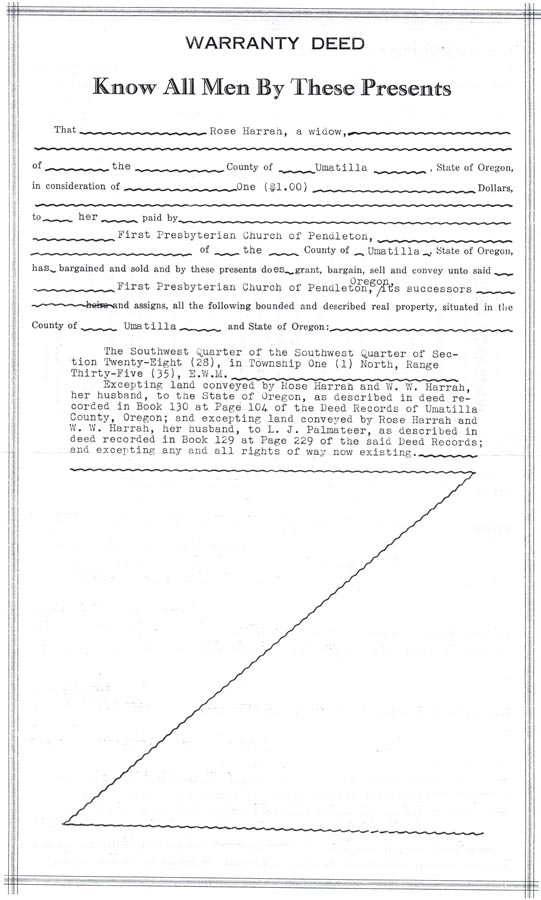
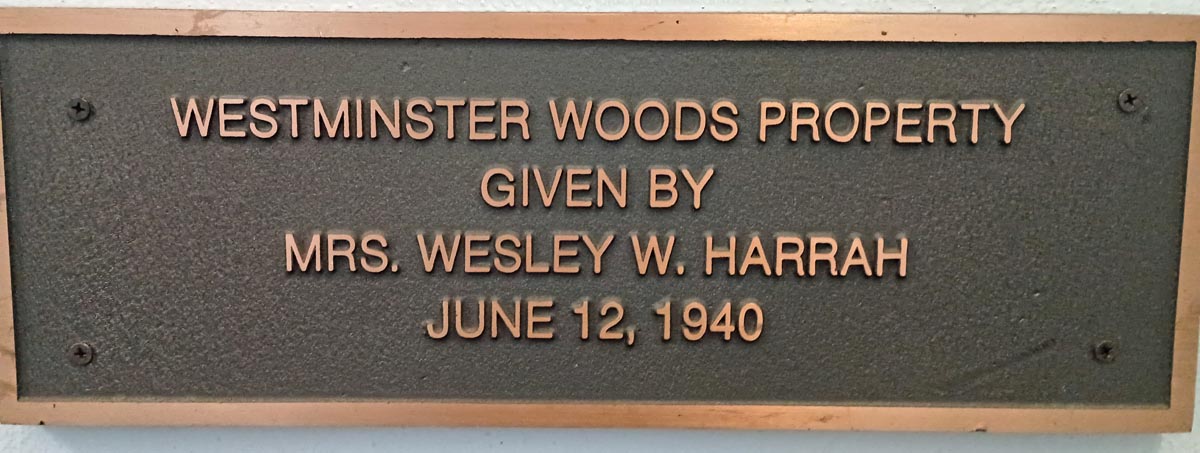
In June of 1940, Rose Harrah donated approximately 26 acres of forest land in the Blue Mountains near Meacham to the First Presbyterian Church of Pendleton. Over the years, the property was developed into a rustic summer camp for children and youth, and a picnic site for adults and families.

Rose Harrah was interested in donating her land because she felt there was a particular need for a place to host outdoor programs for young people and youth of the church. A kitchen, bathhouse, open shelters, and picnic facilities were constructed during the early years. The site was named Westminster Woods by Dr. Earle Cochran, the church’s pastor at that time.

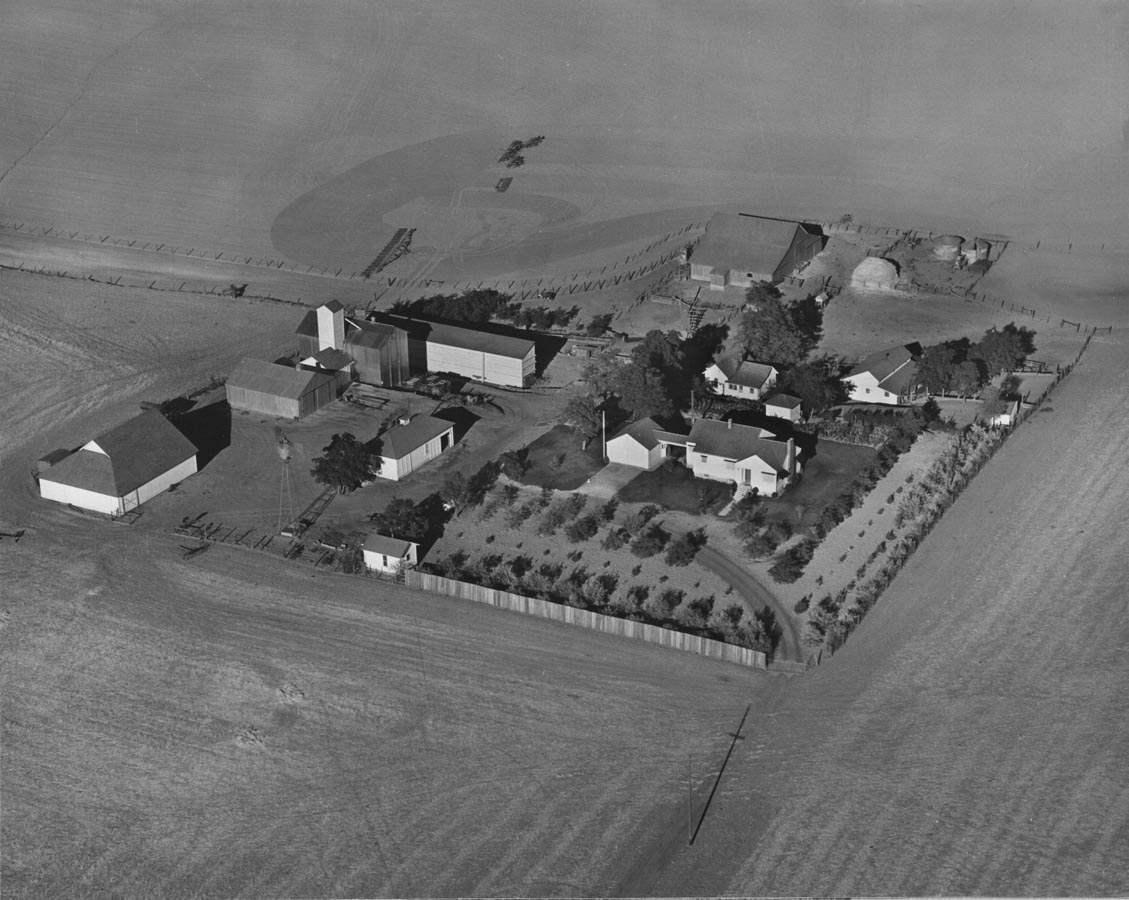
In 1959, Martha Terney bequeathed her 1,610-acre wheat ranch, located west of Pendleton, to develop, improve, and maintain Westminster Woods in memory of her daughter, Lillian. Her son Roy Terney, and his wife Ida, who farmed for Martha, were granted life use of the property, and the ranch did not pass to the church until Ida passed away in April 1992.

Brass plaque commemorating Rose Harrah's gift
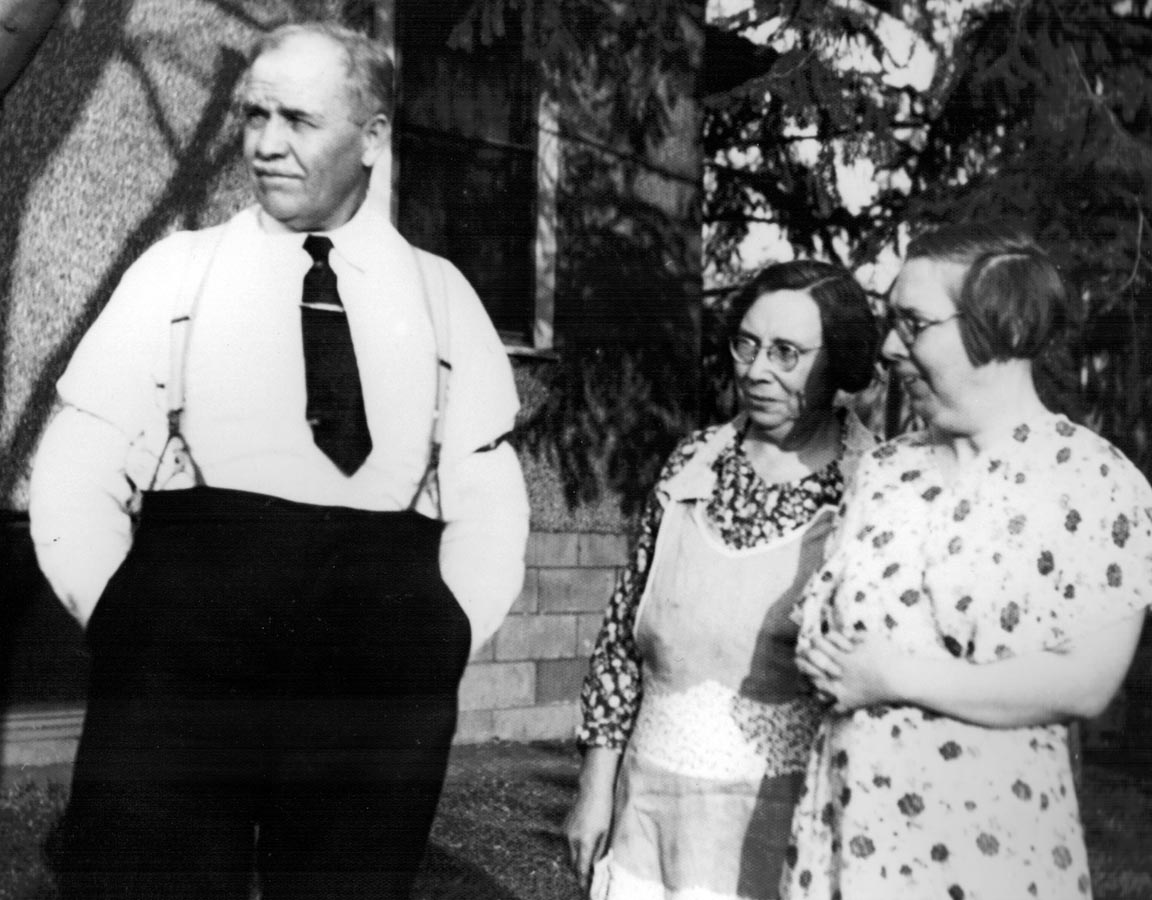
Ed, Martha & Lillian Terney on their ranch, November 1936
The Terney Ranch
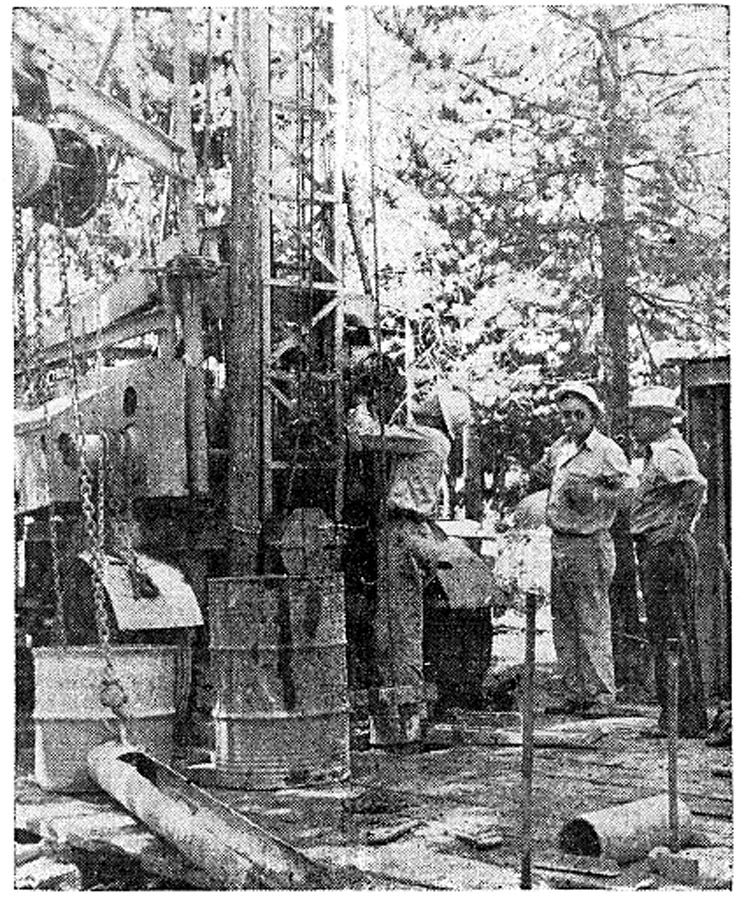
Well drilling, from a 1951 East Oregonian article

Martha’s gifts to Westminster Woods began in 1950, when she donated $5,000 after Lillian passed away during the summer of 1950. Martha’s $5,000 gift, plus another monetary gift from her, were used to finance initial construction of the kitchen and small meeting hall facility (this structure was remodeled significantly in the late 1990s).

Forrest Harrah, brother of Rose Harrah, gave $100,000 to Westminster Woods through his estate in 1985. Half of Forrest’s gift was to become an endowment to help maintain facilities and equipment at the camp. The endowed portion of Forrest’s gift was eventually placed in the Westminster Woods Endowment.

After Ida Terney passed away in April 1992, ownership of the Terney wheat ranch passed to the Church in September 1992. In spring 1994, FPCP purchased approximately 8.7 acres (referred to as the Hayes property), and in late summer of 1994, Betty Brunette donated approximately 31.2 acres of her land on the west side of Westminster Woods. In 2018, Betty’s remaining property (165 acres) was purchased, resulting in a total area of 231 acres for the Westminster Woods church camp.

Rose Harrah warranty deed, page 1
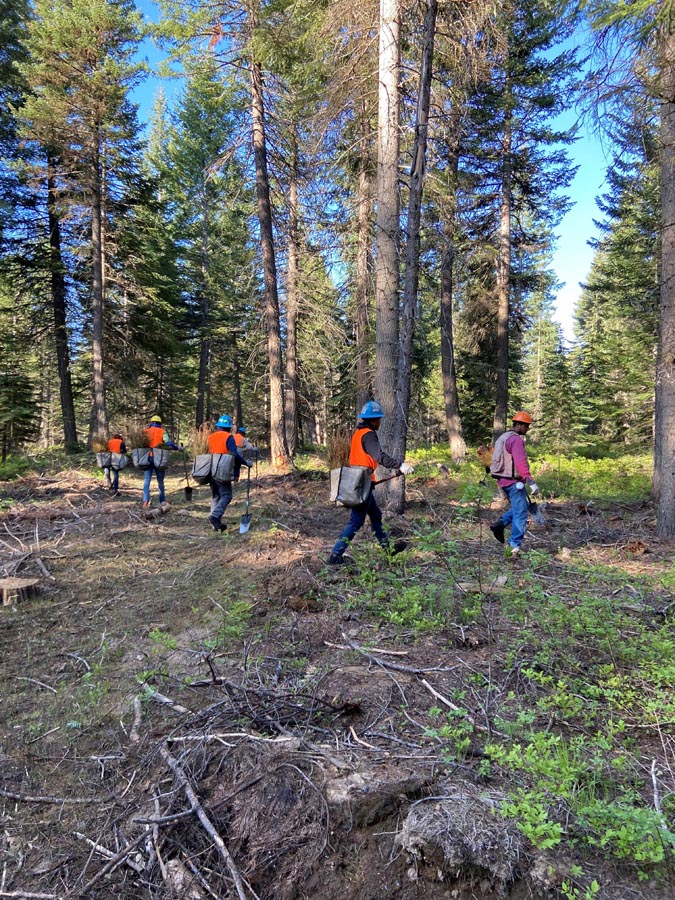
Planting tree seedlings at Westminster Woods

Natural History

Based on field surveys, almost 190 plant species occur at Westminster Woods (including forbs/wildflowers, grasses, shrubs, and trees).

Most of the camp property is forested, and the forest consists mostly of conifers – grand fir, Douglas-fir, western larch, lodgepole pine, ponderosa pine, western white pine, and Engelmann spruce. Most of the conifers are evergreen; western larch, however, is a deciduous conifer, which means that its needles turn a lemony yellow color each autumn and then fall off the tree. A few deciduous, broadleaf trees are also found on the property: quaking aspen, thinleaf alder, and black cottonwood.

One of the hallmarks of Westminster Woods is that it is a beautiful, forested property in the Blue Mountains, and it is home to many wildflowers, birds and other wildlife, and trees. Our guests like to know what the flora and fauna of the area is. Over the years, we have developed a series of natural history guides that are written specifically for Westminster Woods.

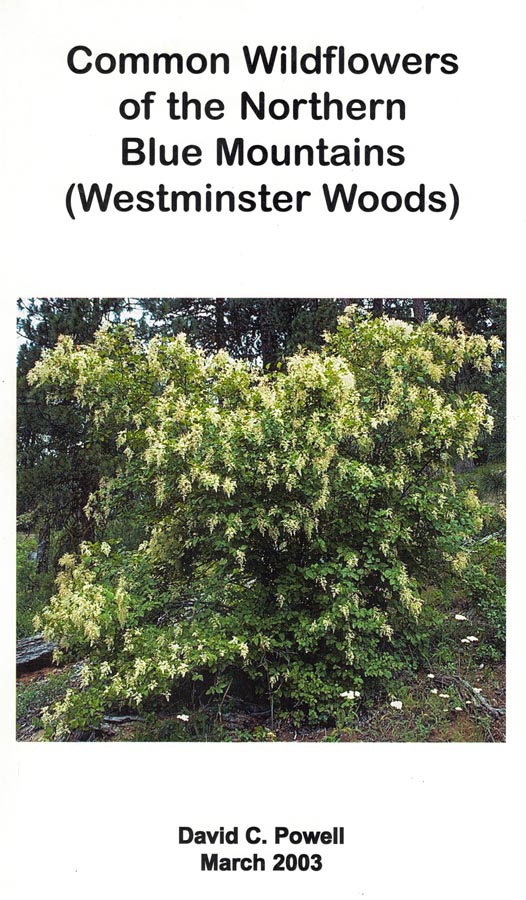
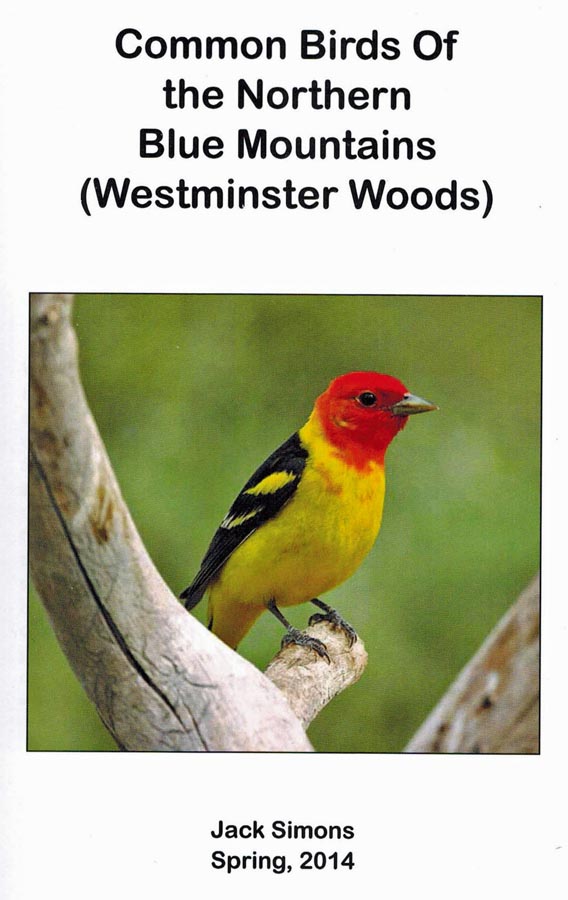
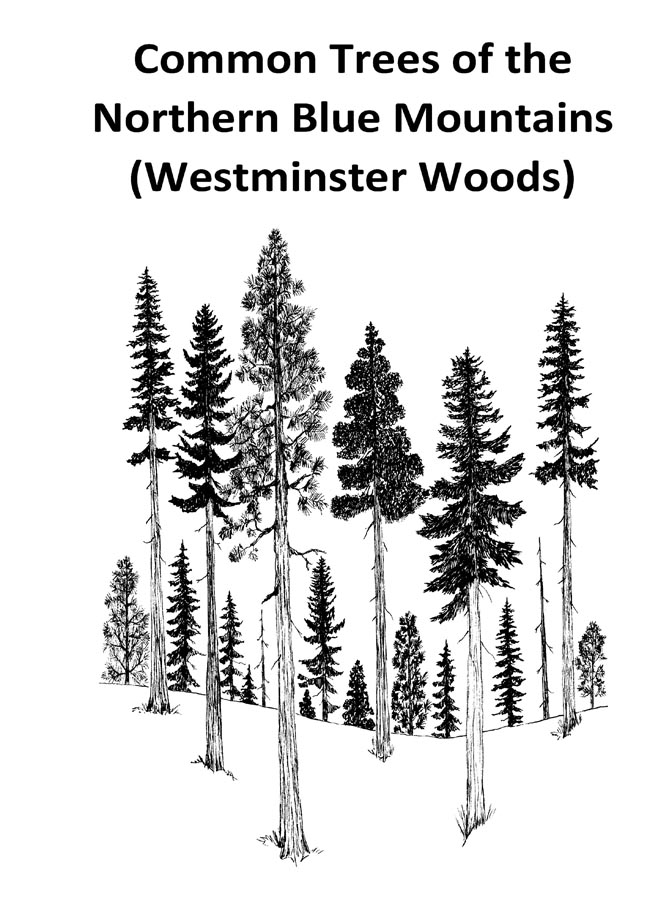
The color field guides (flowers and birds) can be checked out and used while at the camp. If guests wish to keep a copy of the flower or bird guide, the cost for doing that is $12. The tree guide (24 pages) is black-and-white, and copies of it are distributed free.
Wildflower field guide
Bird field guide
Tree guide

Wildlife at Westminster Woods

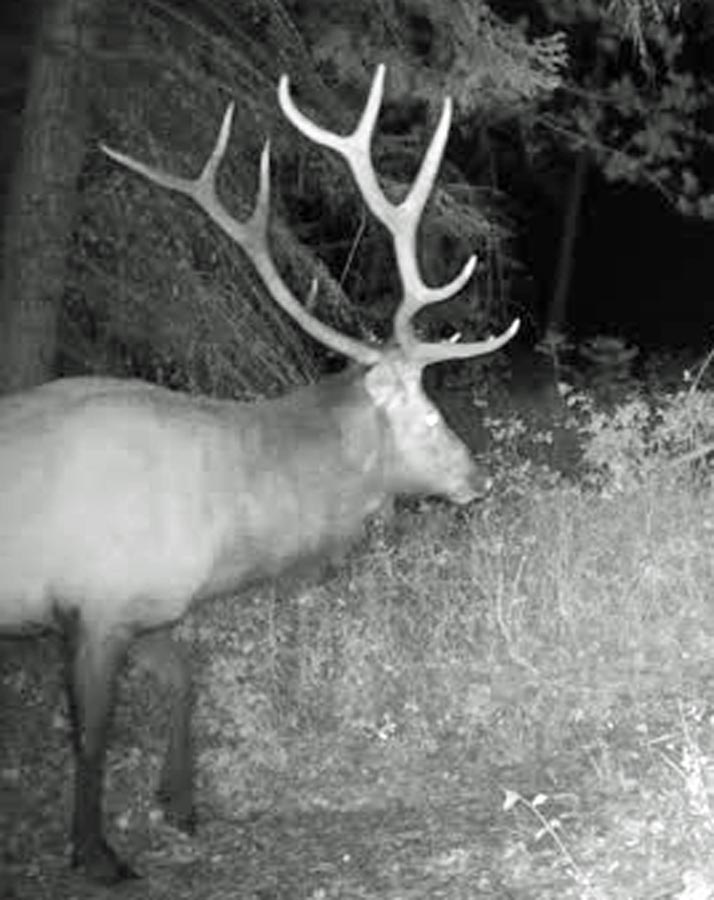
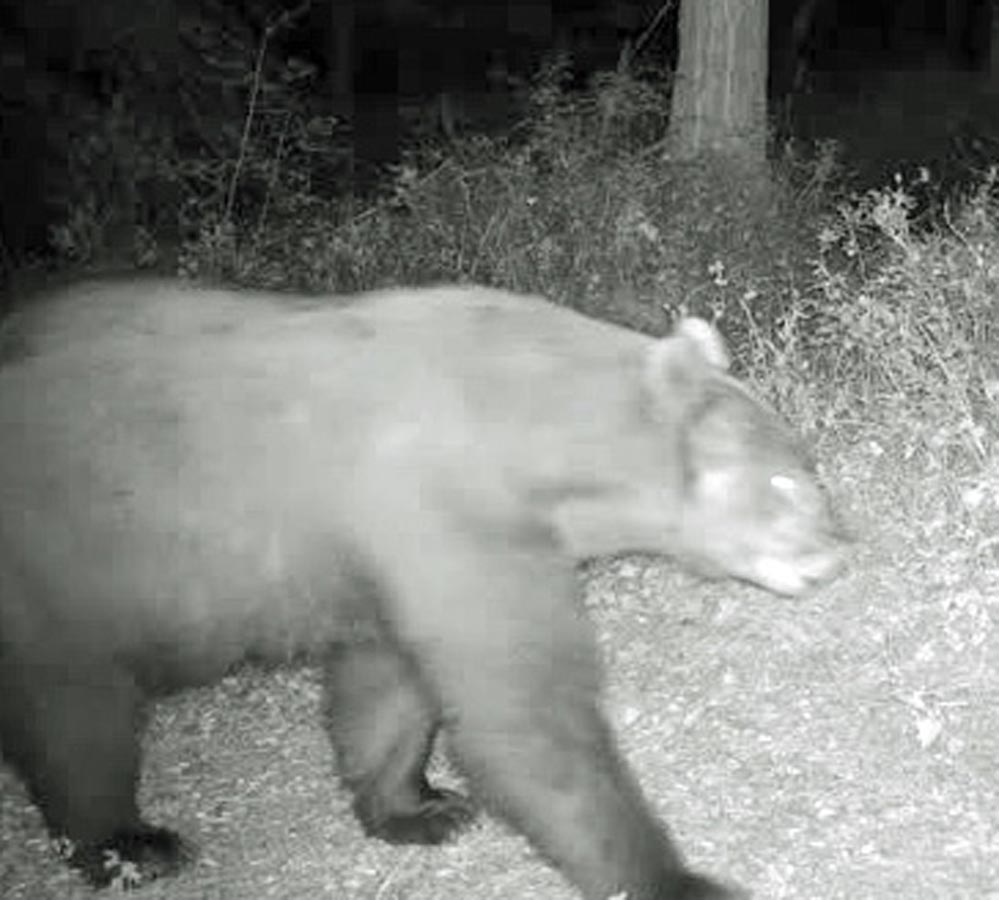
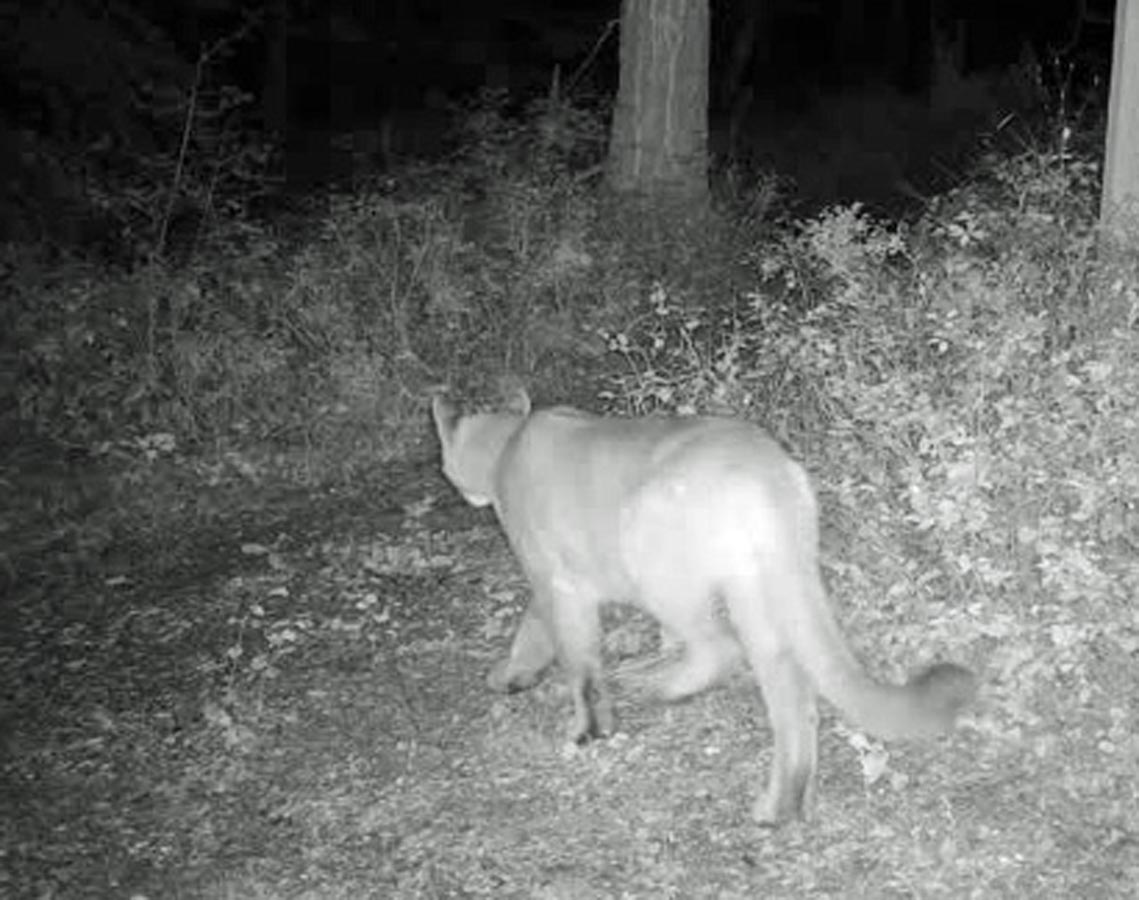
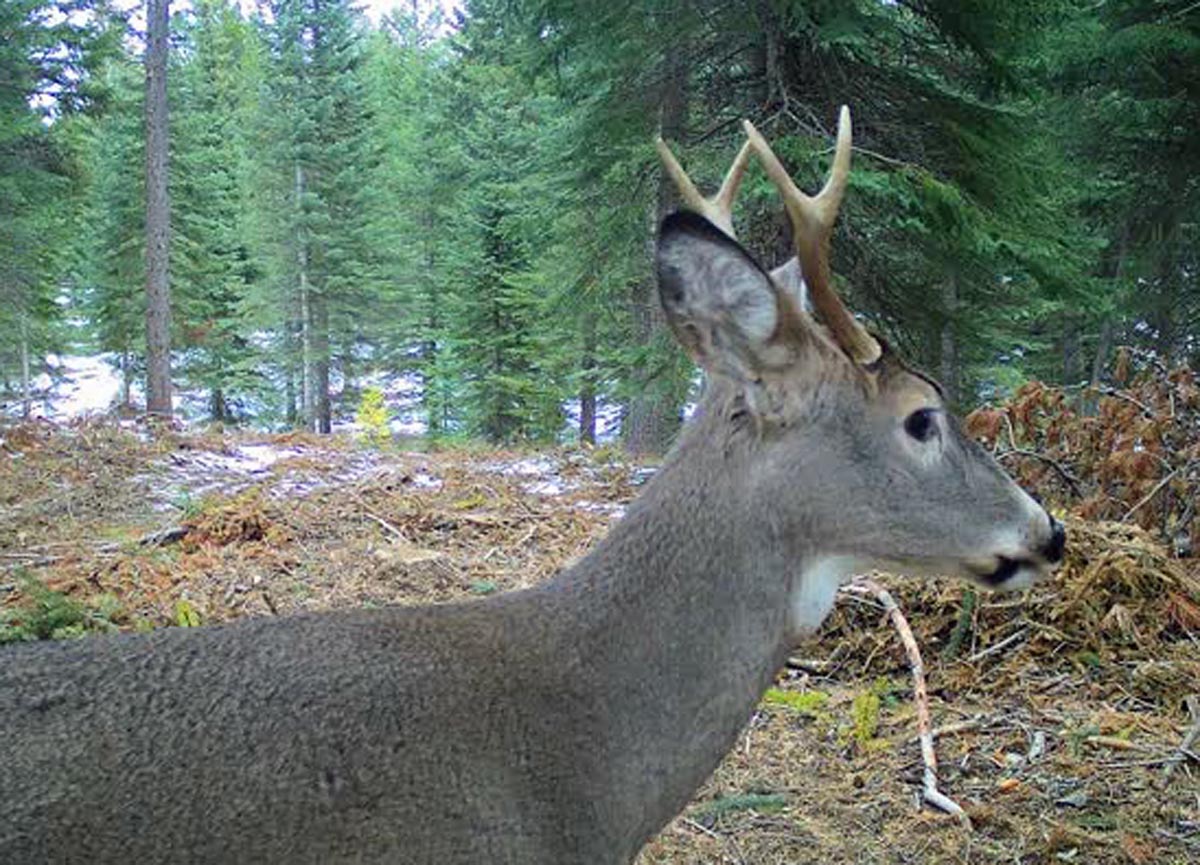
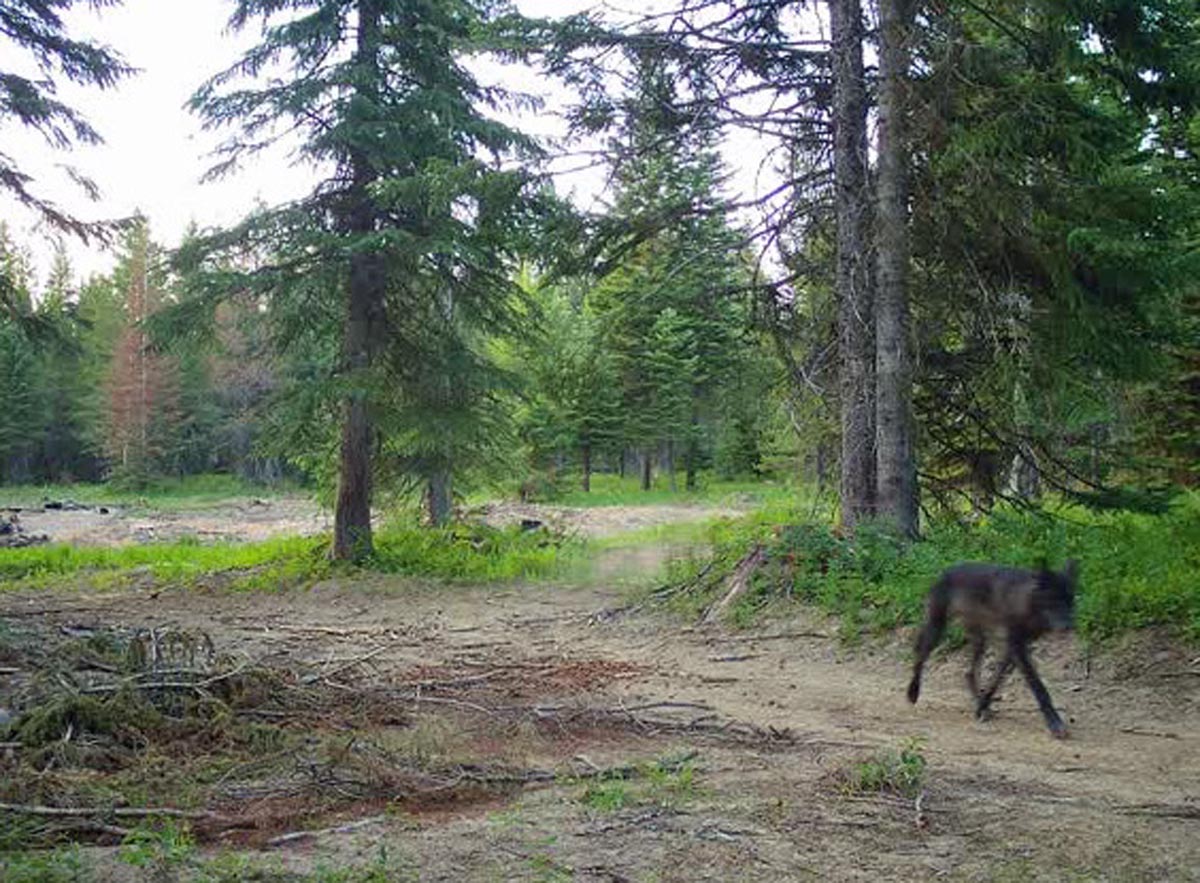
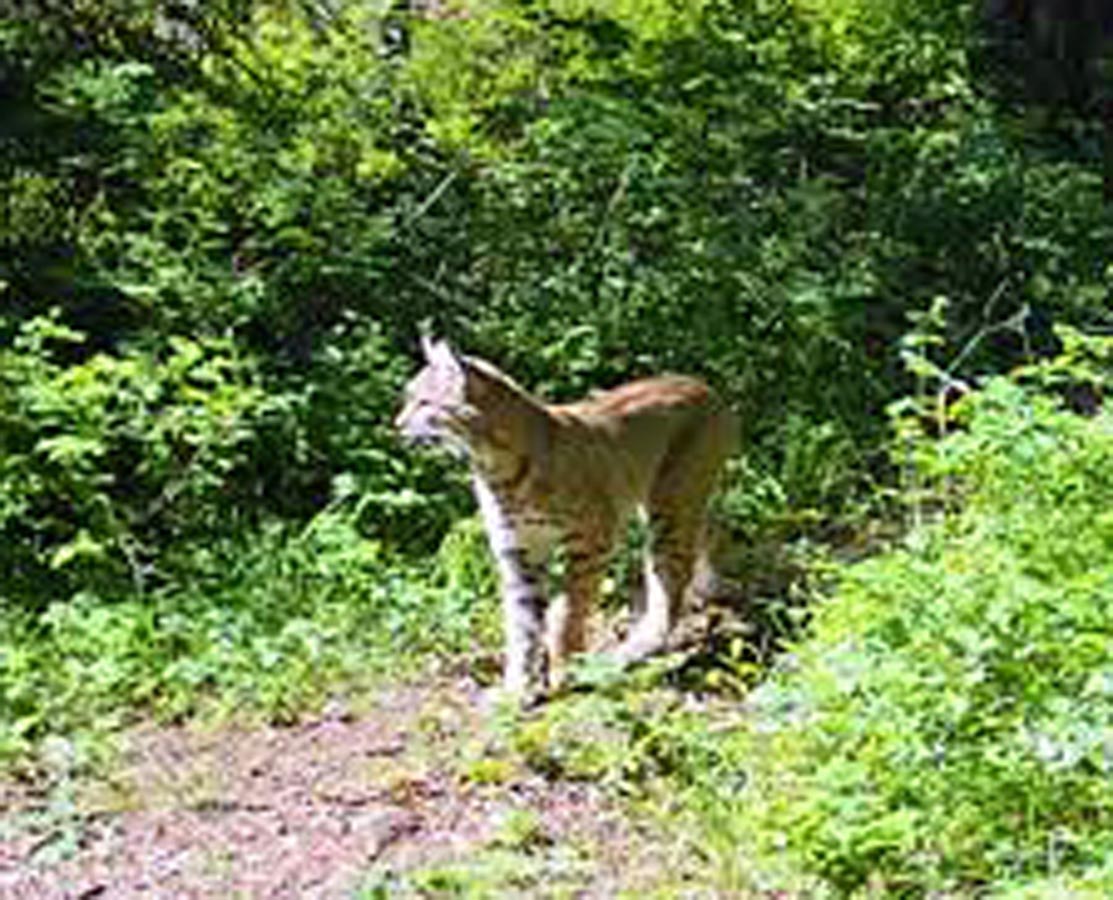
Westminster Woods is home to a remarkable variety of wildlife. Our trail cameras have captured images of elk, deer, black bear, cougar, bobcat, coyote, gray wolf, grouse, and snowshoe hare — all on the camp property. Guests often see elk grazing in the meadows at dawn and dusk.

Bull elk
Black bear
Cougar
Whitetail buck
Gray wolf
Bobcat

Wildflowers

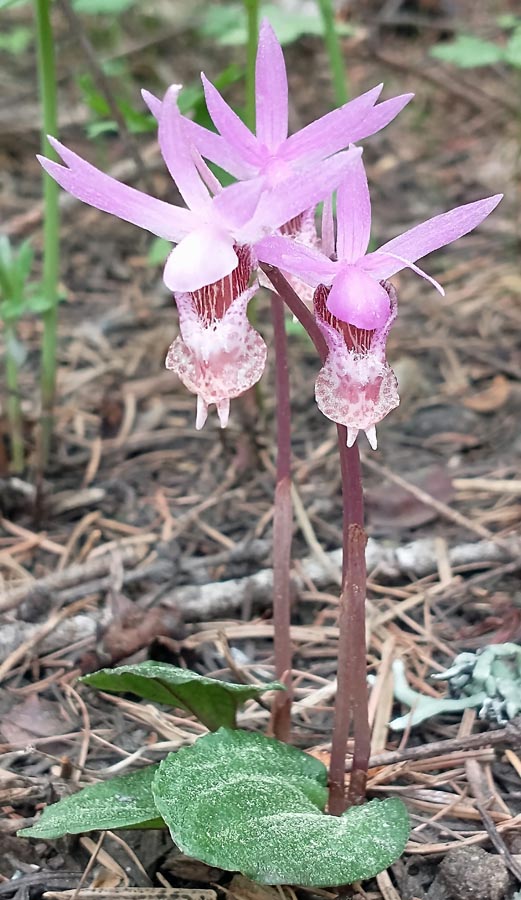
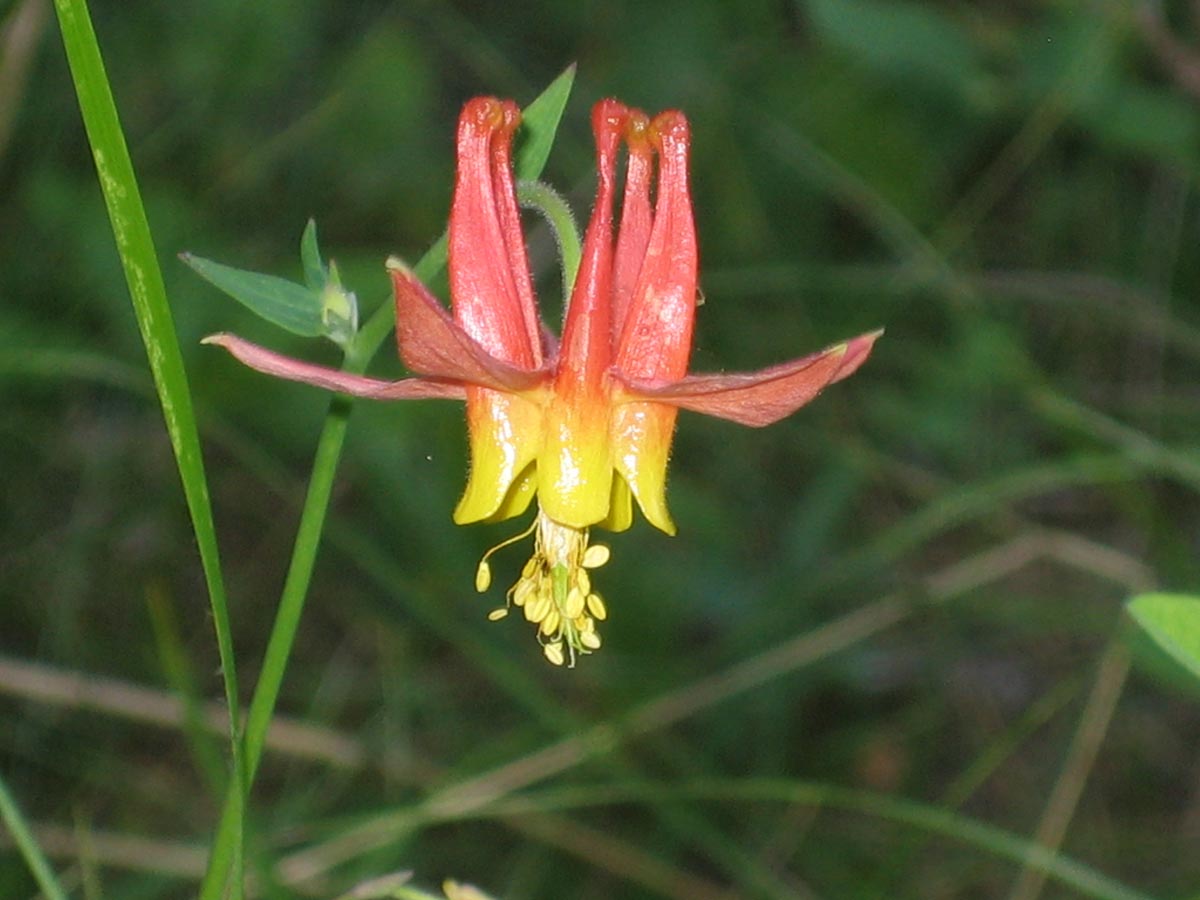
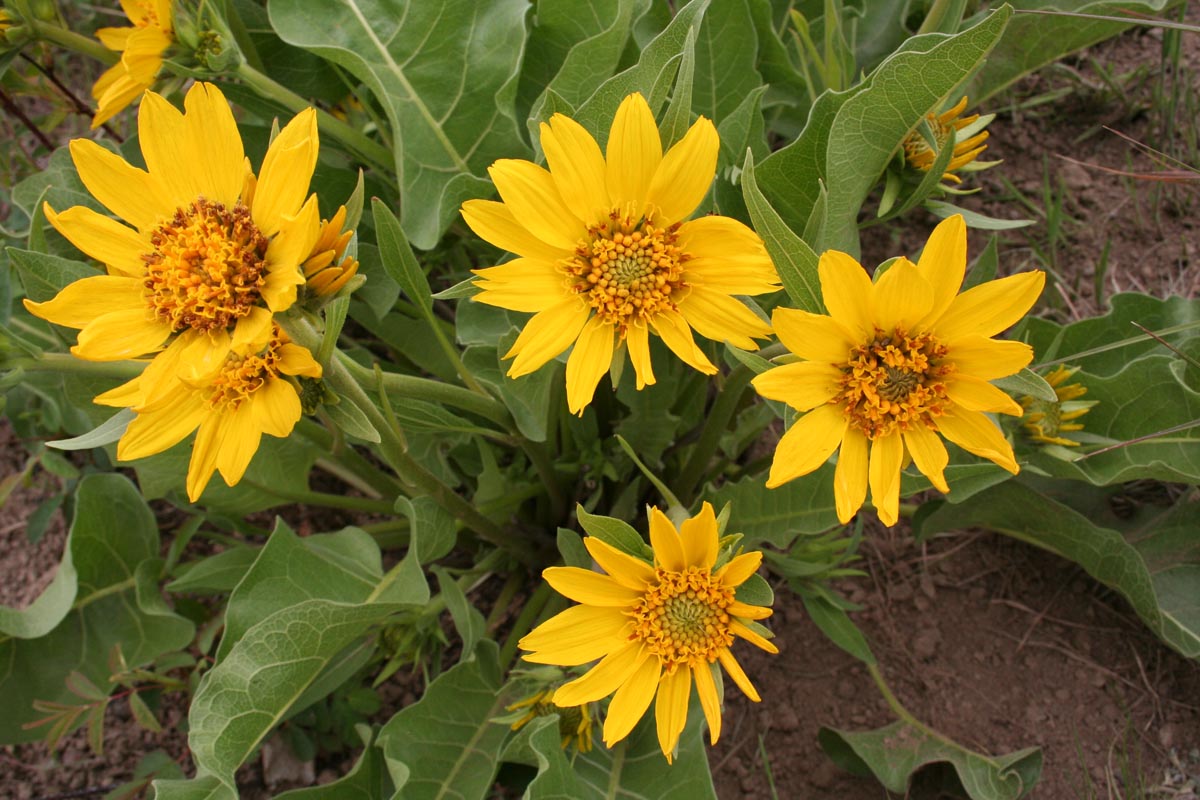
Westminster Woods is home to a stunning variety of wildflowers throughout the spring and summer season. Below is a sampling of species found on the property — from delicate orchids to vibrant columbine.

Calypso orchid
Red columbine
Arrowleaf balsamroot
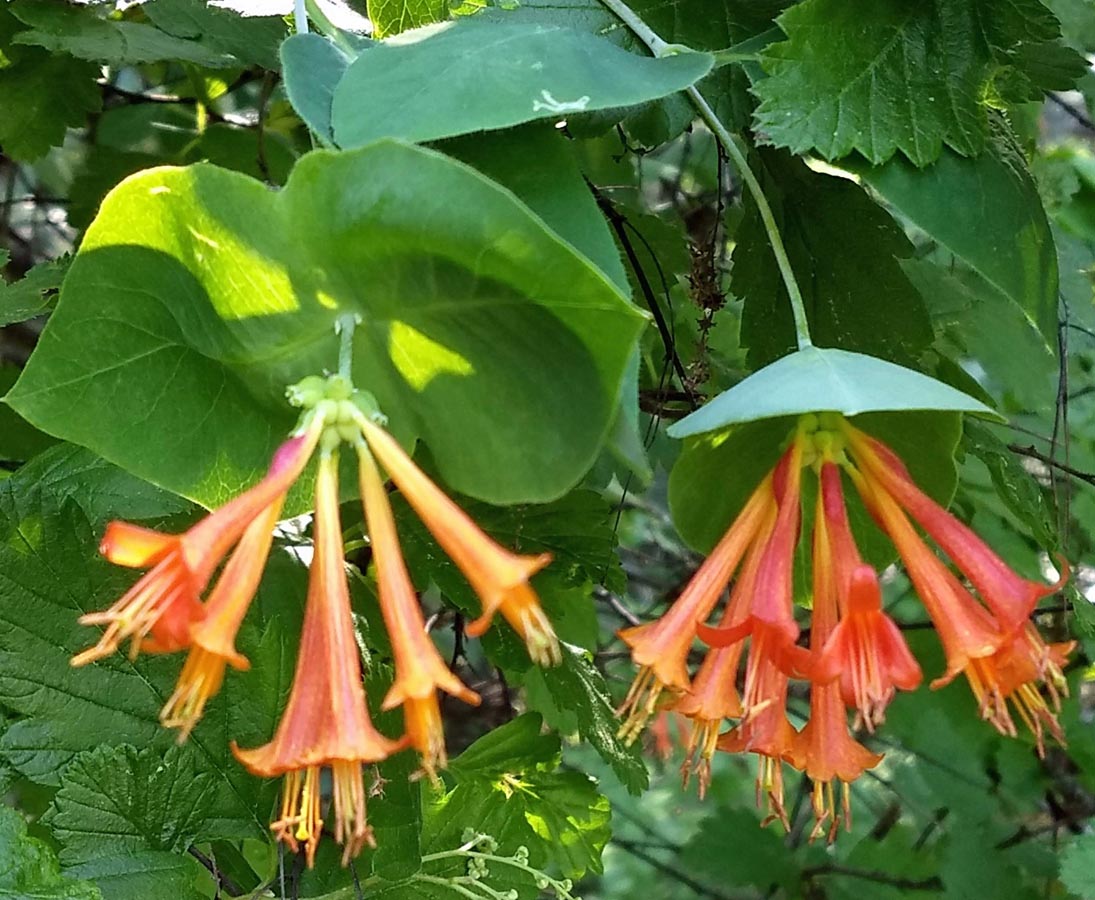
Orange honeysuckle
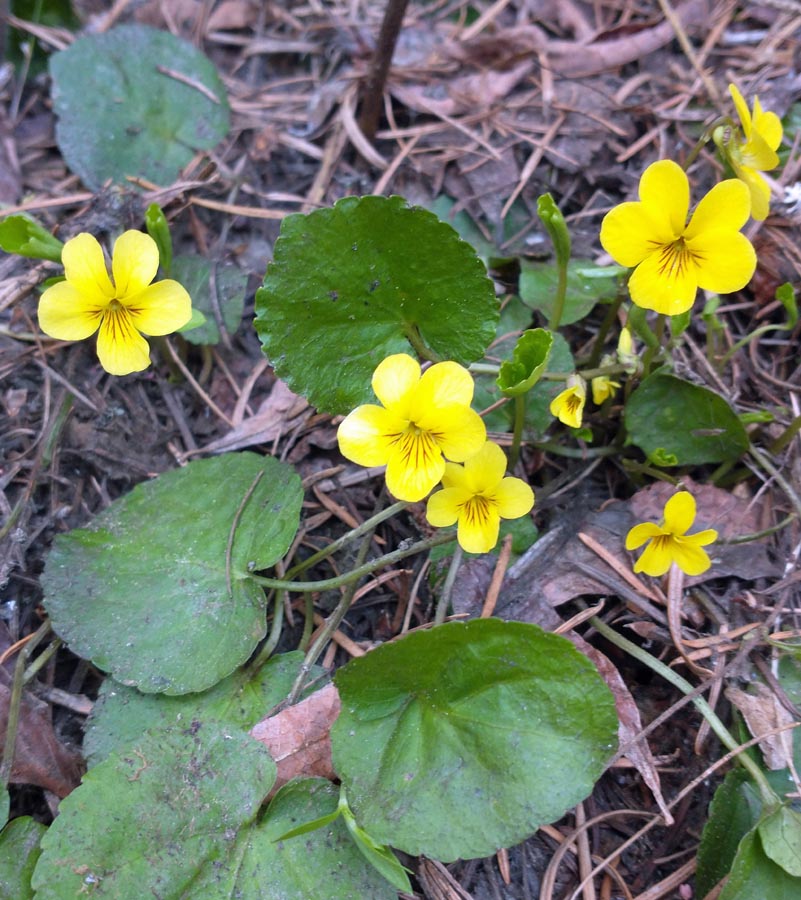
Darkwoods violet
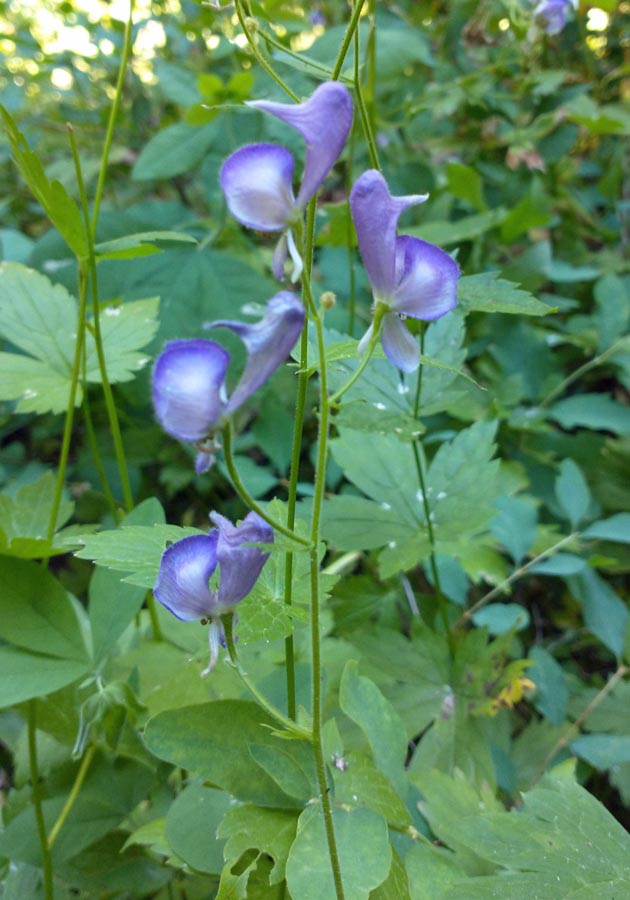
Monkshood

Documents & Resources

Explore the history of Westminster Woods and the adjacent Emigrant Springs State Heritage Area through these documents. Westminster Woods borders Emigrant Springs on three sides, and the two properties share a rich connection to the Oregon Trail and the settlement of northeast Oregon.

Westminster Woods & Oregon Trail

Oregon Trail at Westminster Woods
Description of Oregon Trail features at the camp, with photos.

Oregon Trail Article
Excerpt from Maps of the Oregon Trail by Gregory M. Franzwa.

East Oregonian Article — August 6, 1951
Historic newspaper coverage of early development at Westminster Woods.

Emigrant Springs State Heritage Area

Emigrant Springs: An Oregon Trail Campsite
From Pioneer Trails, Spring 1994. How the park connects to the Oregon Trail story.

Emigrant Springs Article
Background on the Emigrant Springs area and its historical significance.

Bowman Didn’t Want to Give Up Emigrant Springs
The story of how the state park came to be, and the effort to preserve it.

Ready to Plan Your Visit?

Open May 15 – October 15. The camp is available for rent to nonprofit groups, family gatherings, business meetings, weddings, and other special events. Everything is managed on a space-available basis, so reach out early to secure your dates.